Kimi K2.5 vs Kimi K2.6: Which AI Model Actually Builds Better in MineBench?
Kimi K2.6 在 MineBench 上的表現:比 K2.5 便宜還更聰明?
Someone ran Kimi's latest AI model through MineBench (a test that makes AI build stuff in Minecraft) and found something interesting: K2.6 is way cheaper to run ($2.35 total) and definitely better than K2.5, but here's the catch—the results are weirdly inconsistent. Some of its builds are genuinely impressive, others feel a bit half-baked, even though everything beats the older version. The real takeaway? This might be the best bang-for-buck AI model out there right now if you care about performance-per-dollar. If you're curious how different AI models actually perform on real tasks (not just marketing claims), this benchmark is worth checking out.
OpenAI is hosting a livestream event. Details about the specific announcements, product launches, or demonstrations will be revealed during the broadcast.
The last time OpenAI did an unannounced livestream, they dropped GPT-4 Turbo and changed pricing overnight
OpinionsRead
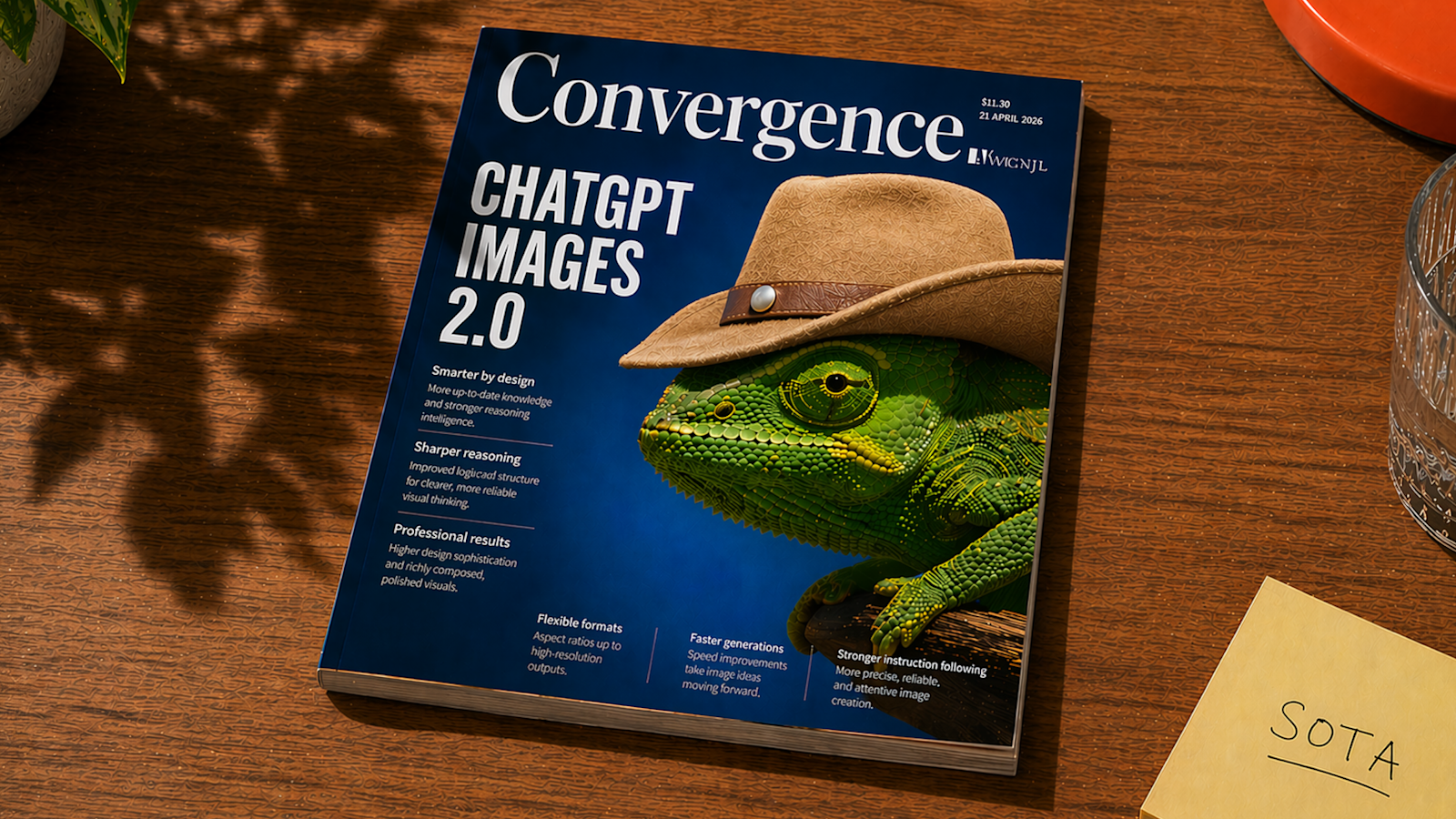
ChatGPT Images 2.0
OpenAI is launching ChatGPT Images 2.0 with major upgrades to image generation capabilities. Watch the livestream announcement at https://openai.com/live/
OpenAI is positioning this as a direct competitor to established image generation tools, suggesting they're confident enough to challenge the current market leaders
OpinionsRead
The "just wait 6 months" argument from 2025 survived exactly one iteration
Throughout 2025 the standard response to any complaint about an LLM was some version of "just wait 3-6 months, the next generation will handle this effortlessly." The argument was everywhere. Every limitation was temporary, every missing capability was a few iterations away, every autonomous agent demo was a preview of imminent reality.
It's April 2026 now and worth checking how that held up.
On r/ClaudeAI this week there's a long thread about Opus 4.7 where multiple users argue it's a regress
OpinionsRead
Mistral Medium 3.5 on AMD Strix Halo: Painfully Slow (Plan for Overnight Runs)
Someone actually tested Mistral Medium 3.5 on AMD's new Strix Halo chip, and the results are... not great. For a 48k-token prompt with 4k thinking tokens, it took about 2 hours just to get an answer about code architecture. Yeah, you read that right—two hours. The takeaway: if you want to run this locally on Strix Halo, queue it up before bed. The technical setup involved heavy optimization (Q5_K_XL quantization, GPU acceleration with -ngl 999, cache reuse), but even with all that tuning, it's still a crawl. Not exactly the "instant local AI" dream, but hey, at least it works.